Dare to Compare Quotes
Dare to Compare Health Quotes
No spam calls. No confusing jargon. Answer 5 simple questions and let Amy match your household with top-rated US coverage options in under 90 seconds.

Amy
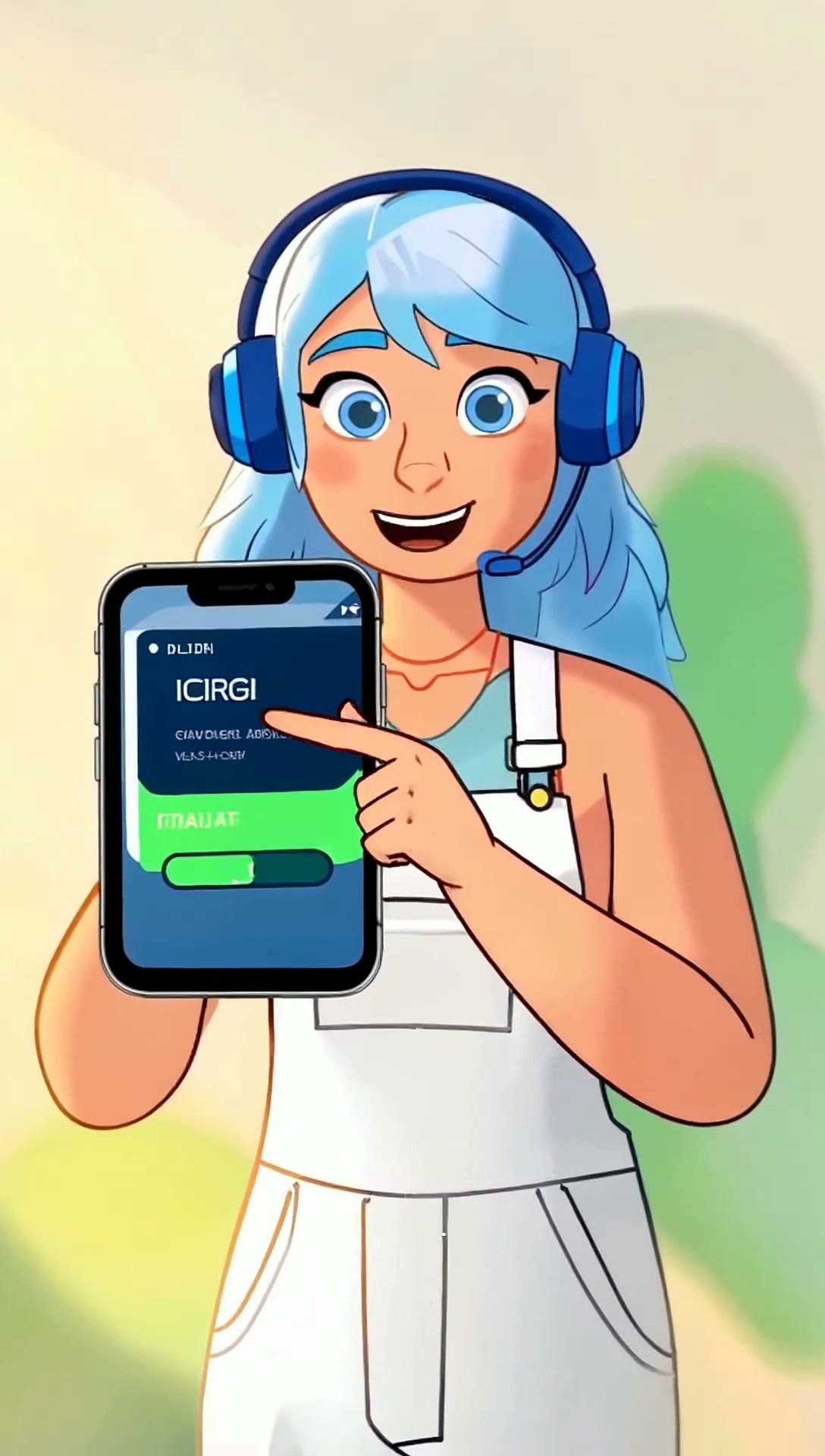
Hi there! I'm Amy, your AI health insurance guide. Comparing US health plans can be a headache, but I'll help you understand your best options in under 90 seconds. Who are we shopping for today?Matches are coverage categories based on your answers and US eligibility rules — not live quotes, carrier counts or guaranteed prices.
How are these matches determined?
How we determine your matches
We do not quote live prices or count carriers in real time. Your matches are plan structures — the categories of coverage that people with your age, household, work status and stated priority are typically eligible for under US rules.
- Age and work status decide the framework: 65+ or retired points to Medicare, self-employed points to private and HSA-eligible plans, and everyone else points to the ACA Marketplace.
- Your ZIP code tells us which state rules and Marketplace apply, not which specific carriers are selling in your area today.
- Your stated priority (premium, deductible, doctor network or prescriptions) decides which trade-off Amy explains first.
- Actual plans, networks, eligibility and pricing are confirmed only by a licensed agent or the official Marketplace after a full application.
- 256-Bit Secure
- No Spam Guarantee
- Covers ACA Marketplace, Private Plans & Self-Employed Options
How it works
- 01
Answer 5 questions
Tap through Amy's quick intake. No forms, no jargon, about 90 seconds.
- 02
Amy reads your situation
She weighs your ZIP, household, work status and what matters most to you.
- 03
Understand your options
See the plan structures that typically fit, explained in plain English, before anyone calls you.

Who we help
Self-employed & 1099
Private, PPO and HSA-eligible plans plus the premium deduction most freelancers miss.
Families
Household coverage that balances the monthly premium against the deductible you'd actually hit.
Turning 65
Medicare Advantage and supplement options explained without the mailbox avalanche.
Between jobs
ACA Marketplace plans and the tax credits that can lower your monthly cost right away.
See how it works in 30 seconds
Amy asks five quick questions, then shows you the coverage routes that fit your household — Medicare, marketplace or self-employed. No prices quoted, no calls unless you ask.
Start with AmyTranscript of the Amy promo video
Hi there! I'm Amy, your AI health insurance guide.
Comparing US health plans can be a headache,
but I'll help you understand your best options in under 90 seconds.
Who are we shopping for today?
Most people shop in December. That is the worst month to start.
Search demand for health insurance peaks in December, when the deadline for January 1 coverage lands. Shoppers arriving that late choose from the same plans as everyone else, but with days instead of weeks to check whether their doctors and prescriptions are actually covered. The plans do not change in December — only your time to read them does.
- January: High demand. The last days of Open Enrollment in most states, plus new-year coverage shocks.
- February: Moderate demand. Post-deadline drop-off. Mostly Special Enrollment Period searches.
- March: Low demand. Quiet. Only life-event shoppers and small-business renewals.
- April: Low demand. Tax season surfaces premium tax credit reconciliation questions.
- May: Low demand. The annual trough. Almost nobody is shopping.
- June: Low demand. Graduations push young adults off parent and student plans.
- July: Low demand. Quiet, but a good month to research without a deadline over you.
- August: Moderate demand. Job changes and back-to-school planning start the climb.
- September: Moderate demand. Carriers file next-year rates; early researchers begin.
- October: High demand. Medicare Open Enrollment opens and next-year plan details go public.
- November: High demand. ACA Open Enrollment opens. The single best window to act.
- December: Peak demand. The annual peak — deadline panic for January 1 coverage.
Demand bands derived from Semrush US search-volume data for health insurance shopping keywords, 12 months to August 2026, cross-checked against published federal enrollment windows. Bands describe when Americans search for coverage. They are not a statement about premiums, which are filed with state regulators before the window opens and do not move with demand.
September – October
Research with no clock running
Next-year rates and plan documents start appearing. Nothing is at stake yet, so this is when to list your doctors, your prescriptions and the annual costs you already know you will have.
Early November
Act in the first two weeks
ACA Open Enrollment opens. Enrolling early in the window generally secures coverage from January 1 and leaves room to switch if you spot a network problem.
December
Only if you must
The deadline for January 1 coverage falls in December in most states. If this is where you are starting, prioritise checking your doctors and drugs over shaving a few dollars off the premium.
Any month, after a life event
You have 60 days
Marriage, a new baby, a move, or losing job-based coverage opens a Special Enrollment Period, usually 60 days. Seasonality is irrelevant then — the clock is personal.
Straight answers
Is HealthQuotes AI free to use?
Yes, HealthQuotes AI is completely free for consumers. We are paid by the licensed brokers and carriers we match you with, never by you.
Does HealthQuotes AI show live plan prices?
No. We show the plan structures you are typically eligible for based on your answers and US eligibility rules. Exact premiums, networks and availability are confirmed by a licensed agent or the official Marketplace after a full application.
Can I get health insurance if I'm self-employed?
Yes. Self-employed and 1099 workers can buy an ACA Marketplace plan, a private plan, or a high-deductible plan paired with an HSA. Many also qualify for premium tax credits based on their expected annual income.
What is the difference between a PPO and an HMO?
A PPO lets you see doctors outside your plan's network, usually for a higher monthly premium. An HMO costs less each month but requires you to stay in-network and often get a referral before seeing a specialist.
What is a deductible?
A deductible is the amount you pay for covered care each year before your insurance starts paying its share. A lower deductible usually means a higher monthly premium, and the reverse is also true.
Will I get spam calls after using this?
No. You choose whether to be contacted, the consent box is never pre-checked, and we only share your details with the licensed partners matched to your answers.
Is HealthQuotes AI a government website?
No. HealthQuotes AI is a private comparison service and is not affiliated with HealthCare.gov, Medicare, or any government agency.